How to Check for Soft Drywall Around a Tub or Toilet
Why Soft Drywall Matters for Bathroom Health
Bathrooms are humid environments by design, but persistent moisture can quietly damage the walls and floors around fixtures. Soft drywall near a tub or toilet often signals a deeper problem: trapped water that never fully dries. Over time, this dampness creates ideal conditions for mold growth inside wall cavities, where it remains hidden until the damage becomes visible. For homeowners in older New England buildings especially, knowing how to spot soft spots early can prevent more extensive repairs down the line.
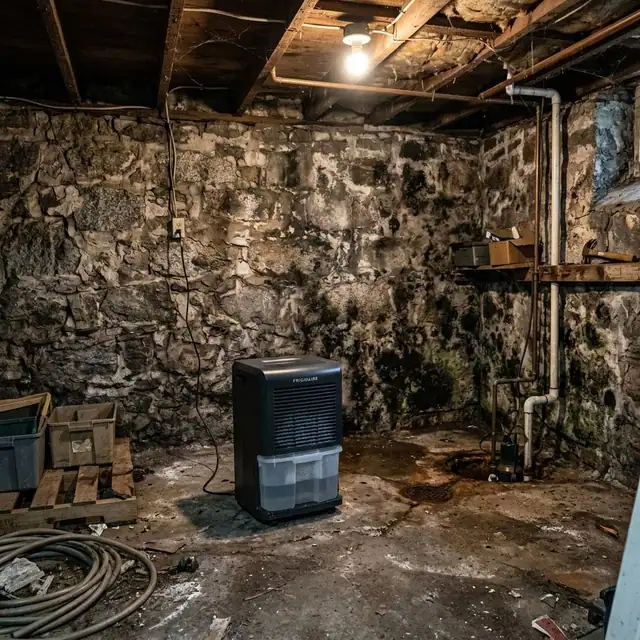
Mold thrives on cellulose materials like drywall paper and wood studs when moisture lingers. The kind of mold that grows behind bathroom walls often goes unnoticed until someone removes the trim or opens the wall. This hidden bathroom mold can worsen indoor air quality and trigger allergies or respiratory issues without ever showing on the surface. That is why learning to check for soft drywall is a practical skill for anyone who wants to keep their bathroom healthy and sound. Mold Removal Boston Pros hidden bathroom mold
What You Are Looking For
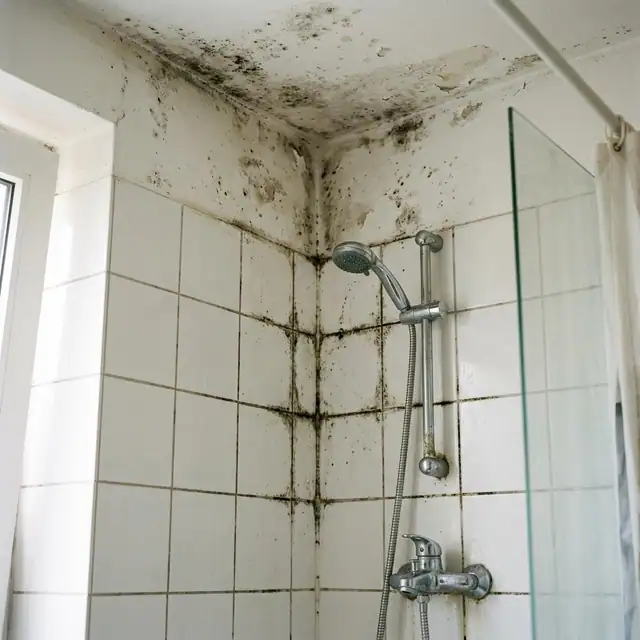
Soft drywall feels different from a normal wall. When drywall gets wet repeatedly or stays wet for long periods, the gypsum core weakens and the paper facing can delaminate. The wall may feel spongy when pressed, or the surface may crumble slightly under light pressure. Sometimes you will see a slight bulge or a crack that runs along a seam. Other signs include peeling paint, bubbling wallpaper, or a musty smell that seems to come from the wall itself.
Around a tub, the area to focus on is the edge where the tub meets the wall. This joint often gets sealed with caulk, but caulk can shrink, crack, or separate over time. Water that splashes during showers then seeps behind the tub rim and soaks into the drywall from below. Around a toilet, the vulnerable spots are the base where the toilet meets the floor and the flange around the wax ring. A loose toilet or a worn wax ring can let small amounts of water escape every time someone flushes, slowly saturating the subfloor and the bottom edge of the wall.
Tools and Preparation
You do not need specialized equipment to check for soft drywall. A simple moisture meter is helpful but not required. Your hand and eyes are the most reliable tools. Before you start, clear the area around the tub or toilet. Remove any mats, toilet paper holders, or storage bins so you can reach the wall easily. If there is a shower curtain or door, open it fully. Good lighting is important. A flashlight or a work light helps you see subtle discolorations and shadows that indicate past water exposure.
Wear gloves in case you find mold or sharp edges. A mask is optional unless you already suspect active mold growth, in which case a basic N95 respirator gives some protection. Keep a small screwdriver or a putty knife handy for gentle probing if you find a suspicious section. Do not poke holes in the wall unless you are prepared to patch them later.
Step-by-Step Inspection
1. Check the Visible Surfaces
Start by looking at the wall surface around the tub or toilet from a few feet away. Scan for any discoloration, stains, or texture changes. Yellowish or brownish stains often come from water that has traveled through the drywall from the other side. Look for paint that has blistered or peeled in a pattern that follows the edge of a fixture. Run your hand flat against the wall, feeling for any soft spots, bumps, or dips. Pay special attention to the bottom 12 inches of the wall, because water tends to wick upward from a leak below.
2. Press Along the Seams
Drywall seams are where the paper facing meets the joint compound. If moisture has gotten behind the seam tape, the compound can soften and the tape can bubble. Press gently along every seam within three feet of the tub or toilet. If you feel any give, or if the surface crinkles under your finger, that area may be damp inside. Also check the corners where walls meet the floor or the tub deck. These are places where water often pools before soaking into the drywall edge.
3. Examine the Caulk and Grout
Inspect the caulk bead around the tub and the toilet base. Look for cracks, gaps, or areas where the caulk has pulled away from the surface. If you can slide a fingernail under the caulk edge, water can get in. Around the tub, also check the grout lines in any tile above the tub. Missing or cracked grout lets water run behind the tile and down to the drywall behind it. For toilets, look at the caulk around the base and the wax ring seal. A worn wax ring is a common source of slow leaks that saturate the floor and wall over many months.
4. Use the Touch Test
With the flat of your hand, press firmly but not forcefully on the wall at several points near the fixture. Start a few inches above the tub rim or toilet base and work your way up. Healthy drywall feels rigid and solid. If you feel any give, even a slight bounce, that section has lost integrity. Now use your thumb to press into the wall at the softest spot. If your thumb sinks in more than an eighth of an inch, the drywall core is compromised. Do the same test along the floor edge. Many times the drywall is soft only at the very bottom, where the paper has wetted and the gypsum has turned to mush.
5. Probe Only If Necessary
If you find a spot that feels soft or looks suspicious, you can confirm the damage by probing very gently with a screwdriver. Push the tip into the wall at the center of the soft area. If the drywall is sound, it will resist like a solid surface. If it is wet or rotten, the screwdriver will push through easily, sometimes with a small squirt of water. Limit probing to one or two small holes so you do not create a large opening. If the wall is clearly damaged, you will know from the feel and the appearance of the material that comes out on the tool.
What to Do If You Find Soft Drywall
Discovering a soft spot does not always mean you have hidden bathroom mold, but it does mean moisture has been present long enough to weaken the wall. The next step is to determine whether the drywall can dry out or must be replaced. If the soft area is small and the wall has been dry for a while, you might be able to let it dry and then seal it. But in most cases, once drywall has softened, the paper and gypsum are damaged and will not regain their original strength. The safe approach is to cut out the affected section, inspect the cavity for mold, and replace it with new drywall.
Removing the damaged drywall also gives you a chance to see what is happening behind the wall. Look at the studs and the floor plate for signs of water staining or mold. Check the insulation if there is any. If you see mold growth on the back of the drywall or on the framing, the contamination may extend further than the visible soft spot. At this point, professional assessment is wise. Mold Removal Boston Pros hidden bathroom mold can be addressed properly when a trained technician evaluates the extent of the moisture problem and recommends the right repair and preventive measures. That is one reason why catching soft drywall early matters: it gives you a chance to handle the issue before it spreads to adjacent rooms or into the HVAC system.
Preventing Soft Drywall in the Future
Once you have repaired the damage, you can take steps to keep the drywall around your tub and toilet dry. The most effective approach is to control the sources of moisture. Make sure the caulk around the tub and toilet is intact and replaced every few years. Use a squeegee on shower walls after each use, or at least leave the curtain open so air circulates. Run the bathroom exhaust fan during and for 20 minutes after every shower. If the fan is weak or noisy, consider upgrading to a model with a higher cubic feet per minute rating. Also check the toilet wax ring whenever you notice the toilet rocking slightly. A loose toilet should be reseated and the wax ring replaced immediately.
Ventilation is key. Even with good fixtures, a bathroom that stays closed up will trap humidity. If you do not have a window, keep the door cracked and run the fan. Some homeowners add a dehumidifier for especially damp bathrooms. These measures do not guarantee you will never see soft drywall again, but they dramatically reduce the odds. And when you do your periodic inspections, you will catch any new moisture before it becomes a bigger problem.
When to Call a Pro
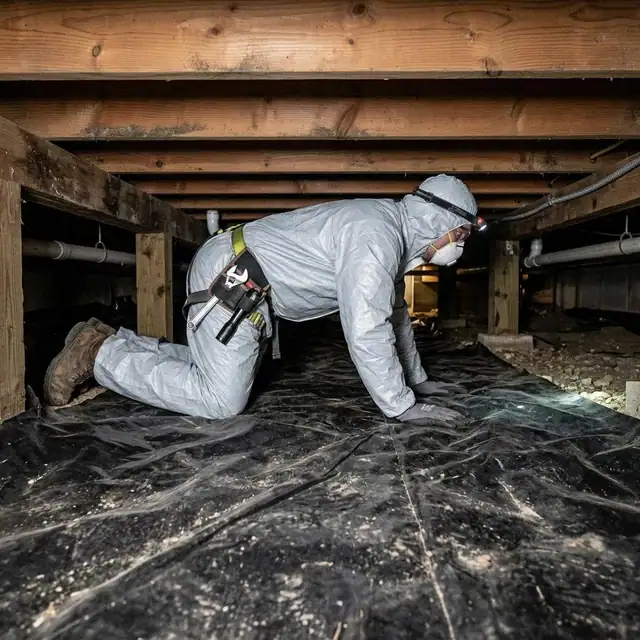
If you find extensive soft drywall, or if you open a wall and discover widespread mold, the job shifts from a simple repair to a remediation project. Mold can be hidden in wall cavities, behind baseboards, or under flooring. Trying to clean it yourself with bleach or household sprays often fails because the mold roots remain in the porous material. Professional mold remediation uses containment, HEPA vacuuming, and sometimes antimicrobial treatments to remove the contamination fully. Mold Removal Boston Pros hidden bathroom mold situations are best handled by experienced technicians who know how to find all the affected areas and restore the bathroom to a safe condition. If you are unsure about the extent of the damage after your inspection, a consultation with a mold professional gives you peace of mind and a clear plan forward.
Checking for soft drywall around a tub or toilet is a straightforward job that anyone can do with a few minutes and a careful eye. It takes no special skills, just attention to detail and a willingness to look closely at the places where water often goes unnoticed. Making this check part of your seasonal home maintenance routine can save you from discovering a much larger problem later. And if you do find trouble, you will have caught it early enough to act before it affects the structure of your home or the health of the people living in it.